
Ready to go? When getting into the car is the longest part of the trip
The park is ten minutes away. Add shoes, a toy rabbit and the car-seat buckle and you've already had an outing.
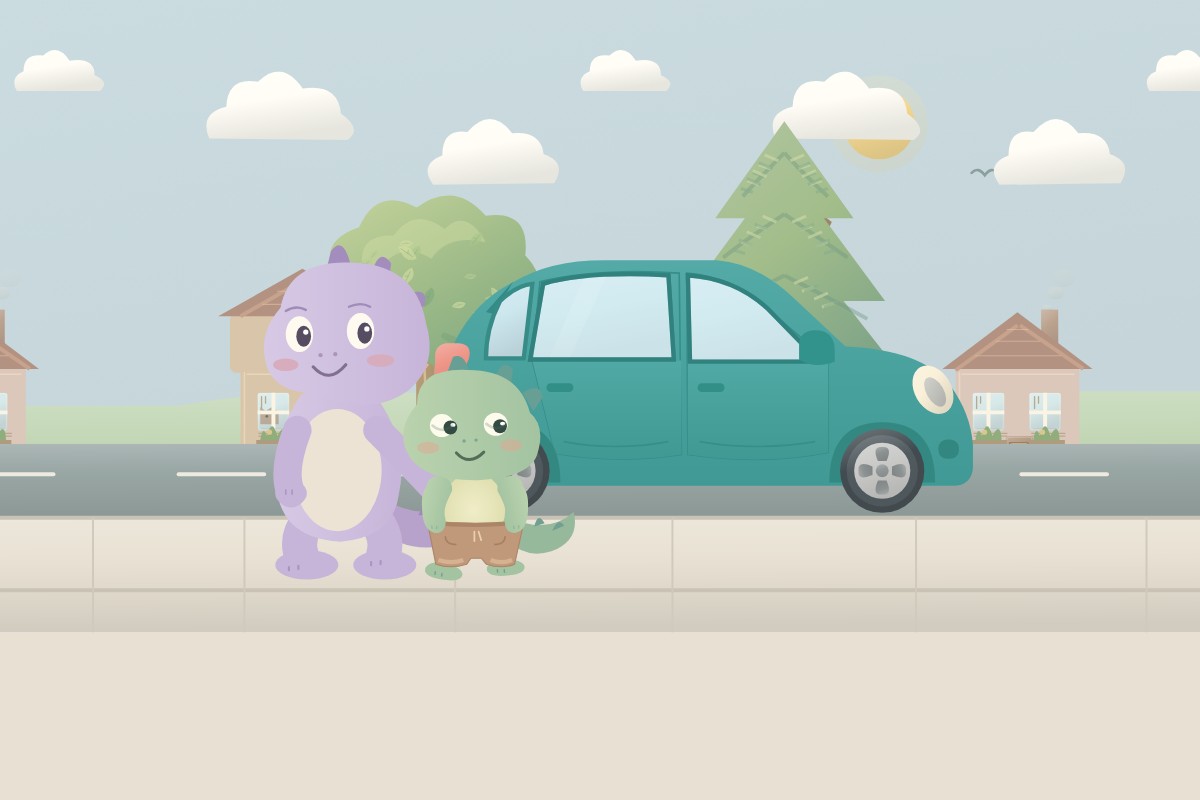
Picture getting everything ready for the ten-minute drive to the park. Keys in hand, bag in the boot. Your child walks up to the car, looks into the back seat and announces that Rabbit is driving today.
You agree that Rabbit can drive at the park. Your child is halfway into their seat when a shoe falls off. You bend to get it, and by the time you straighten up, two small hands are trying to put the buckle together. “I do it!” Your keys are still in your hand and nobody has technically been anywhere yet. It already feels as if you've made two stops.
In the story, Mom helps her child into the car. The view out the window changes, and they arrive at the park. Those few minutes by the open door matter on a real trip. The car-seat and travel guidance behind the article is linked at the end.
Decide who does what
Your child can climb in if the car is safely parked and you can stay beside them to help. Or they can hold Rabbit while you get them settled. “You sit down, I check the harness, then we go.” A short, familiar sequence gives them something they can actually do. Some children like to announce “Ready!” as soon as you've finished the check. The same words can help when someone else takes your child out. Tell them how you do the seat check and let your child explain their own part of the routine. If the car or seat is different, take the time to check both manuals. A familiar routine is helpful, and the fit still depends on the equipment in front of you.
If they object, give them a moment by the parked car. “You wanted to do it. The buckle is my job. You can hold Rabbit while I get it ready.” Put loose items away before driving, especially hard ones. Getting the child seat and harness right is the adult's job on every trip, including the one to the shop round the corner. If you're in a hurry, use the same short check instead of rushing through the buckle.
Use the seat manual as your guide
Choose a seat that fits your child and meets local rules. Use the seat and vehicle manuals to check the installation and harness. Safety guidance recommends keeping young children rear-facing until they reach the highest weight or height their seat allows for rear-facing use. The manuals guide you through the next stage and tell you which positions in your car can take the seat.
The harness should lie flat and fit snugly. A thick coat makes it difficult to get that fit. In cold weather you can place a blanket over the fastened harness. If the seat shifts, the harness looks wrong or you're moving the seat into another car, check it against the instructions before you set off. It is worth taking the time even when the parking space is cold and you can almost see the park.
Give the trip a few landmarks
“We'll go past the bridge and look for the big tree in the car park.” Familiar details tell a small child more than the number of minutes left. As a passenger you can play “find something red” and let the driver watch the road. Plan stops on a longer journey. If something needs adjusting on the way, stop somewhere safe first.
Once you arrive, wait until the car is parked before undoing the harness. Take your child with you every time you leave the car, including short stops. Rabbit can be the first to “spot” the big tree while you help your child get out safely.
What to take with you
Sources, if you'd like to read more
These studies and professional resources informed this article.
- NHTSA – Car Seats and Booster Seats
- American Academy of Pediatrics – Car Safety Seats for Families
- American Academy of Pediatrics – Prevent Child Deaths in Hot Cars
- American Academy of Pediatrics – Winter Car Seat Safety Tips
The linked sources are in English.
Know someone who could use this?
Pass it on to a fellow parent. A little support can make a difference.