
Did the wee come? Learning to use the potty without a rush
Teddy has already tried the potty, but your child would rather get back to the train. How can you tell when they're ready for the next step?
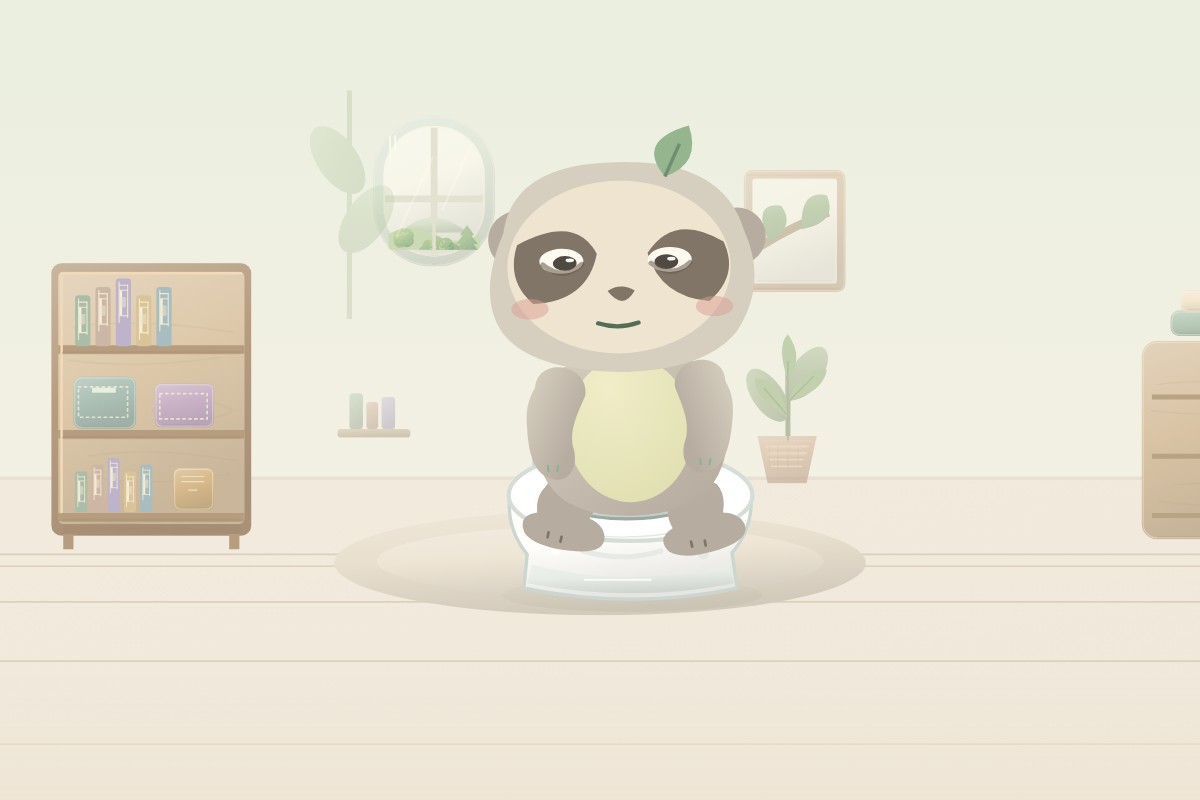
Picture the potty sitting in the corner of the bathroom for a week. Teddy has used it most, and once it served as a garage for two toy cars. Today your child stops in the middle of a game, looks down at their trousers and says, “I'm doing a wee.”
You get the potty. By the time you get there, the only question is where the blue carriage has gone. Your child sits down for a moment, then stands up. The blue carriage has a timetable to keep. You are left sitting on the bathroom floor, holding a pair of dry trousers and wondering whether that counted as practising. It counted as quite a lot of walking between rooms.
In the story, the first thing that happens is the child notices a signal from their body. They sit for a little while and get help with the next steps. You can try that at home and still let the train get back on the rails. The children's health guidance behind these ideas is linked below.
Pay attention to the signal
A child might notice a wet nappy, go off somewhere private before a poo or occasionally tell you in advance. It helps if they can sit securely, follow a simple request and wear clothes they can get down without a struggle. These abilities can come together at different times. You'll often notice one thing well before the others. Sometimes you'll see the signal before your child has words for it. You can say what you see and invite them to try. If they say no, keep the potty available and let the moment pass. That leaves you both free to give it another go later, perhaps when the train has reached its station.
When they say “I'm doing a wee”, you can say, “You noticed the wee coming.” Next time they might tell you a little sooner. Try a quiet time to get started. A morning when the bus is coming and you're still looking for your keys leaves very little room for changing clothes and wiping a floor.
Keep it comfortable and brief
Try after waking or when your child tells you they need to go. On a potty, their feet should reach the floor. A toilet insert and a sturdy step can help on a big toilet, so their feet have somewhere to rest. They can try sitting in their clothes first. Ask if they'd like a short sit now. If they want to get up, finish the attempt and try another time.
Say what you noticed. “You told me, and we got here together.” When nothing comes, you can still finish, get dressed and wash hands. A two-year-old may need quite a bit of help with trousers and wiping. An older child can choose which part to do themselves, with you there to help and check they have cleaned up.
An accident is a bit of cleaning
“Your trousers are wet. I'll get some dry ones.” That's enough for the occasional accident. If attempts keep ending in a struggle, take a break and come back when your child is more willing. Staying dry at night is a separate step and often comes later. A good day with the potty gives you very little information about what will happen in the middle of the night.
Hard or painful poo or regularly holding it in can make learning to use the toilet difficult. Ask your child's health professional for help if it keeps happening or your child avoids the toilet because it hurts. The sooner you notice that pattern, the sooner you can talk through what would make going more comfortable.
What to take with you
Sources, if you'd like to read more
These studies and professional resources informed this article.
- Canadian Paediatric Society – Toilet learning
- Raising Children Network (Australia) – Toilet training
- NHS – Constipation in children
The linked sources are in English.
Know someone who could use this?
Pass it on to a fellow parent. A little support can make a difference.