
One truck, two children: helping them take turns
Both children want the same toy. How to protect play, help with waiting and keep a small disagreement from becoming a tug-of-war.
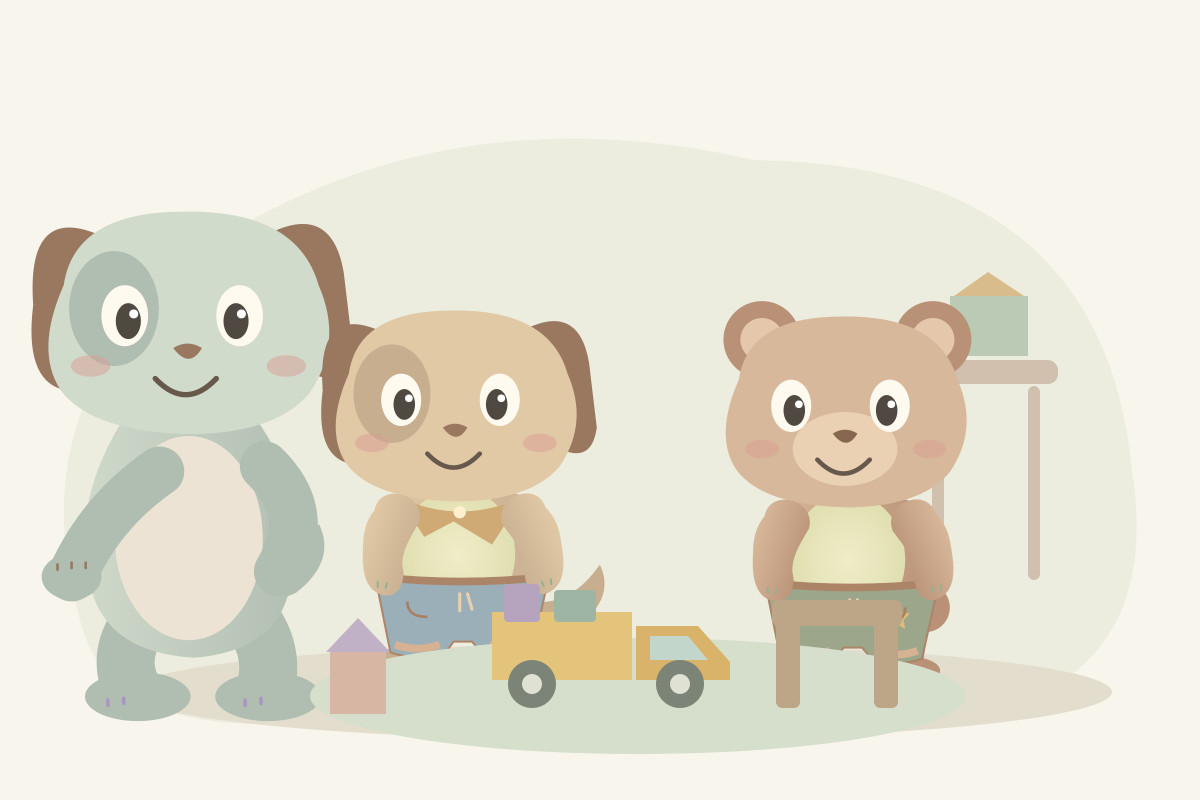
Picture an afternoon with a friend visiting. There are blocks on the rug, a basket of animals and several perfectly serviceable vehicles. Both children need the yellow truck. Right now. Your child has been filling it with blocks; their friend reaches for the cab. “Mine!” “I want it!” You put down your mug and crouch beside them. The truck now has two drivers, neither willing to discuss the route.
“You need to share,” you begin, then realise that nobody knows what happens next. Must the driver hand it over immediately? How long is the passenger supposed to wait? The blocks spill out while you consider international traffic law. You gently stop the pulling. “I won't let you snatch it. You're using the truck. You want a turn too. Let's work out what happens next.” For a moment, at least, the wheels are back on the rug.
Taking turns means waiting, coping with disappointment and noticing another person's wishes. Children are still learning these skills. This article draws on professional guidance; the sources are at the end.
1. Stop the grabbing, name the problem
Move close and calmly block hitting or pulling: “I won't let you hit. You both want the truck.” Help the child already using it keep their turn; reaching for a toy needn't make it change hands. If someone is hurt, help them first. When things are too heated, stay nearby and help the children settle before discussing a solution.
2. Make the next turn understandable
“Sam is using it. Your turn is next.” If there is time, let the current player finish a manageable piece of play: “You're taking those blocks to the garage. Then it's Alex's turn.” Agree on an ending you can actually support. A timer can help when a short, shared limit is needed, but explain it first; a surprise alarm doesn't settle every dispute. Private favourite toys can be put away before visitors arrive, leaving toys chosen for playing together.
3. Help with the waiting part
Don't leave the waiting child with nothing but the word “later”. Sit beside them: “Waiting is hard. Shall we build a garage while you wait?” Offer another activity rather than demanding that it be just as exciting as the truck. When the turn ends, help with the handover. Notice the action: “You gave Alex a turn.” Later, practise with an easy back-and-forth game, such as rolling a ball together. If you need to leave before the next turn, say so: “We have to go now. We can ask again another day.” Only promise another chance you can genuinely arrange.
Two-year-olds and five-year-olds may need different support
For a two-year-old, keep the words short and the help close: “Sam's turn. Then yours.” Playing alongside another child with similar toys may be more manageable than a joint game. A five-year-old might help choose the rule: “One delivery each, or shall we use the timer?” These are starting points, not age deadlines. Knowing the rule and managing disappointment are different jobs, especially when tired.
A fair turn needs a little adult help
Sources, if you'd like to read more
These studies and professional resources informed this article.
- Helping Young Children With Sharing — ZERO TO THREE
- Teaching children to share: an age-by-age guide — Raising Children Network
- Social Development in Preschoolers: Learning How to Share & Cooperate — American Academy of Pediatrics
The linked sources are in English.
Know someone who could use this?
Pass it on to a fellow parent. A little support can make a difference.