
Pushing at the playground: what to do when little hands shove
Whether your child pushed or was pushed, start with safety. Find words for the children, the other adult and your own rush of feelings.
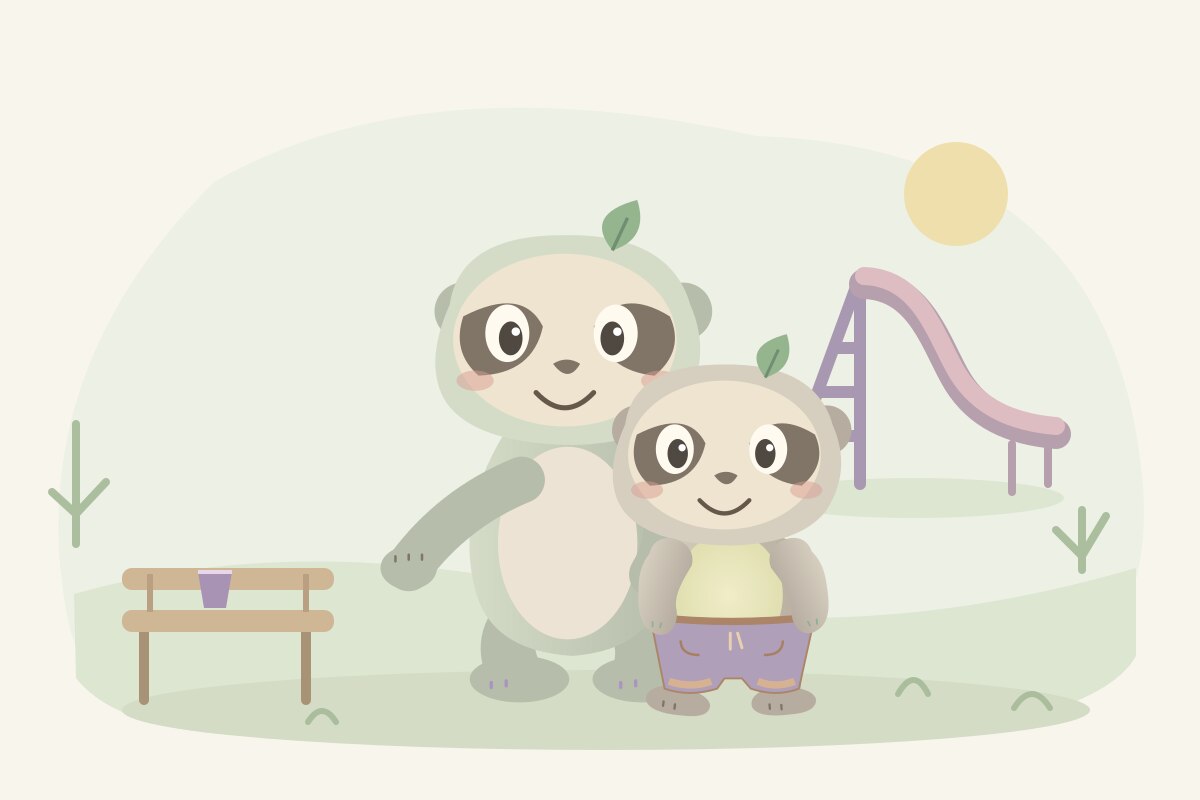
Imagine a crowded afternoon at the playground. Your child has just stepped onto the bottom step of the slide ladder when another child squeezes in. You see a hand on a shoulder, a shove and a wobble. Your child lands on their bottom beside the steps and cries. You put your cup on the nearest bench and get there in three strides. “I’m here. Can you show me where it hurts?” A grown-up arrives just as quickly from the other side. “What happened?” they ask. You can describe the shove. You have no idea what happened in the ten seconds before it. Meanwhile, your brain has already prepared a speech about playground justice. On another afternoon it might be your child doing the pushing, and the speech in your head might be about whether everyone saw. In both versions, there are two small children looking to the adults to work out what happens next.
Between two and five, children are still learning how to wait, ask for space and stop themselves when frustrated. A shove might come from wanting a turn, feeling crowded or getting carried away. You can act before you know why it happened. The steps below draw on guidance for toddlers and preschoolers.
1. Get close and make space
Step in when a child could get hurt. On steps or near the edge of equipment, help the children get to a safer spot and give them room. Use a short sentence: “Stop. I won’t let you push.” Check the child who was pushed and offer comfort. “That surprised you. I’m here.” If you are worried about an injury, get medical advice. Once everyone is safe, you can listen to what each person saw. No one needs to give a statement from the top of the slide.
2. Give your child one thing they can do next
If your child pushed, keep the boundary clear and help them settle beside you. Later you can say, “You wanted to go up. Pushing hurt. Next time, show me you need help.” A younger child might point or take your hand. A child who can manage a short phrase could practise “Can I go next?” When both children are ready, offer a small way to make things right, such as bringing back a dropped scoop. Let the other child choose whether they want contact.
If your child was pushed, stay close and give them a choice: “Shall we sit here or go to the swings?” When they are ready, practise “Stop,” moving away and coming to get you. You can speak for a child who freezes or cries. If you talk to the other adult, stick to what you saw: “There was a shove on the steps. Can we help them take turns?” If it keeps happening, move to another part of the playground together.
3. Make room for your own reaction
You might feel scared, angry, embarrassed or all three. Once the children are safe, put both feet on the ground and take one slow breath before you speak. Give yourself a sentence to come back to: “I can deal with the next ten seconds.” If another trusted adult is there, ask them to take over for a minute. If you snapped, you can say later, “I spoke too loudly. I was worried. I’ll try that again.” The boundary about pushing still stands. If pushing repeatedly causes injuries, disrupts play or leaves you worried about safety, talk with your child’s clinician and share what you’ve noticed with their caregivers.
What to take back to the playground
Sources, if you'd like to read more
These studies and professional resources informed this article.
- American Academy of Pediatrics — 10 Tips to Prevent Aggressive Behavior in Young Children
- ZERO TO THREE — Aggressive Behavior in Toddlers
- Head Start — Understanding and Managing Children’s Behaviors
- American Academy of Pediatrics — Young Children Learn a Lot When They Play
The linked sources are in English.
Know someone who could use this?
Pass it on to a fellow parent. A little support can make a difference.