
Same child, new season: when sleep, appetite and closeness change
Yesterday they explored alone; today they need your lap. A practical guide to changing needs in the toddler years, without a timetable for every difficult week.
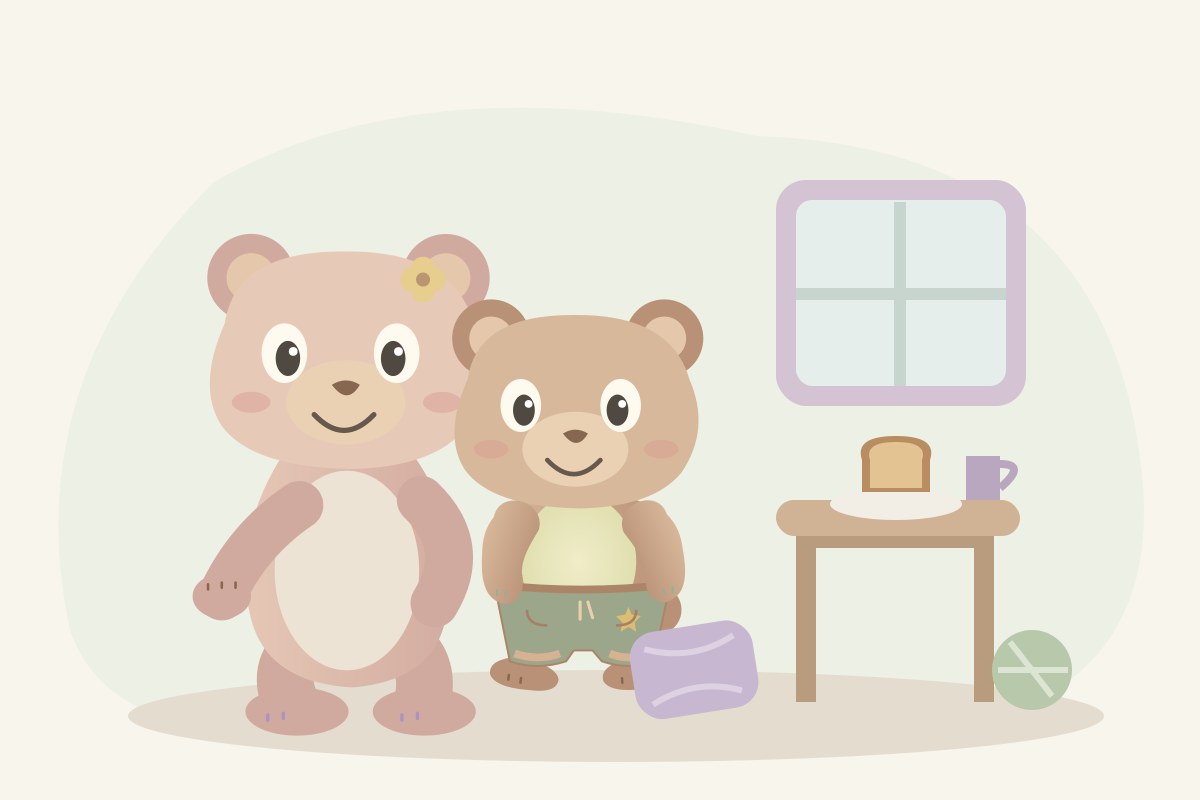
Imagine breakfast with a two-year-old. Yesterday they ate two helpings and marched into the nursery without looking back. Today the toast is apparently unsuitable for human consumption, the chair is wrong, and you must stay close enough to be touched. Ten minutes later, this same child is racing across the room with a cushion. ‘I do it!’ they announce. Then, from behind the cushion: ‘Carry me.’ You look at your partner. Have we missed a meeting where the family rules were rewritten?
Last week you thought you had found a rhythm: a nap, a meal, a manageable goodbye. Now bedtime takes longer and everyone is tired before the pyjamas come out. It is tempting to find one explanation for the whole bundle. A growth spurt? A new skill? Something we did? Sometimes several things have changed; sometimes the reason is less tidy than the parenting calendar suggests.
Movement, language, sleep, appetite and the need for reassurance develop alongside one another, but not to one shared timetable. Research links some sleep patterns with emotional and learning outcomes; it does not prove that a new skill causes every bad night. This article draws on research and professional guidance; the sources are below.
1. Look at the pattern before naming a phase
For a few days, jot down sleep, meals, illness, changes in care and what helps. Keep it brief: ‘Late nap; little dinner; wanted company.’ This is information, not a performance chart. After infancy, growth and appetite often slow; one rejected meal is not the whole picture. Offer regular meals and snacks, including something familiar, without pressure to finish. Persistent poor intake or concerns about growth need a health professional, not just the label ‘a phase’.
2. Keep a few anchors; adjust the load
A familiar goodbye, regular meal times and a simple bedtime sequence can give the day shape. WHO guidance suggests 11–14 hours of sleep in 24 hours at ages one to two, including naps, and 10–13 at ages three to four. These are ranges, not a daily exam. Look at the whole day and your child's tiredness before changing a nap. On a difficult evening, reduce extra demands: ‘We can leave the big puzzle. Let's read the short book.’ Adults can share one manageable task too.
3. Offer closeness without cancelling exploration
Separation anxiety is common from about six months to three years and may last longer or reappear with stress. Needing a parent more today does not erase yesterday's confidence. It need not always be Mum: another familiar caregiver can build their own reassuring routine. Try, ‘I'll sit here while you start,’ or a short, clear goodbye and a return you can explain honestly. Practise manageable separations with a trusted adult. Prolonged distress that disrupts daily life deserves support.
4. Use milestones as signposts, not predictions
At two, many children run, kick a ball and combine two words; by three, many hold short conversations and join other children's play. Skills do not all arrive together. A child may climb confidently and still need help settling. Leave room for safe movement, talk and play without turning the day into training. Milestone lists help you notice and discuss development; they are not diagnoses. If a skill is missing, a child loses an acquired skill, or you are worried, speak to their clinician rather than waiting for a promised ‘leap’ to pass.
The family can adjust without starting over
Sources, if you'd like to read more
These studies and professional resources informed this article.
- CDC — Developmental milestones: ages two and three
- WHO — Physical activity, sedentary behaviour and sleep under five: guideline and evidence synthesis
- American Academy of Pediatrics — 10 Tips for Parents of Picky Eaters
- NHS — Separation anxiety
The linked sources are in English.
Know someone who could use this?
Pass it on to a fellow parent. A little support can make a difference.