
We stopped for a puddle. What do children get from a little time outside?
You planned a walk around the park. A bush, three leaves and a bird might be quite enough of an outing for your child.
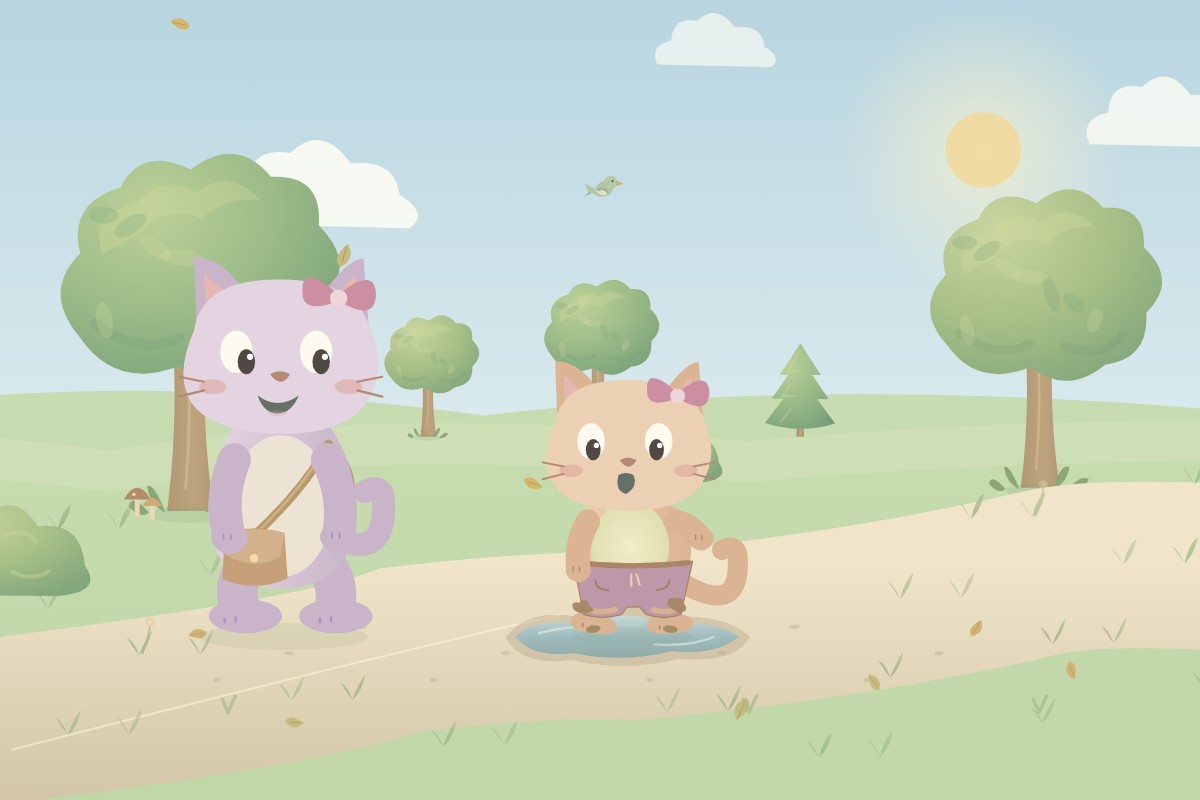
Picture finally getting out to the park. The bench is only fifty metres away, the tea in your flask is still warm, and the weather looks perfect for a brisk walk. Your child takes five steps and crouches down.
“Someone lives here.”
They point under a bush. You can see two leaves and a tissue. They saw a bird disappear. You wait. Nothing. Then the branch moves, and your child turns towards you as carefully as if there's a dragon asleep under it. The flask can wait. You've apparently arrived at your destination without getting anywhere near the bench.
Little discoveries carry the park story along in much the same way. A bird, some fish in the water, a rustle in the leaves. Any one of those moments can give you an idea for playing outside together. I've included the sources on movement and safe outdoor play at the end.
A walk can be ten metres long
When your child stops at a leaf, stop too. “Did you hear it crunch? Shall we try that one?” Leave a moment for their answer. They might point to a branch or run right through the leaves. Both can turn into a game. On the way back you can see which leaves are still there and which ones have blown away. A spot you visit often has an advantage. Your child knows where to look, and they might notice the same leaf has changed colour or the puddle has gone. You can look forward to a familiar place even on a day when the weather is ordinary and nobody feels like organising a trip.
A review of childcare studies found that outdoor play offered opportunities to move, although children were moving energetically for only part of their outdoor time. The World Health Organization recommends spreading activity through the day in early childhood. Running, balancing on a low edge and stopping at the bush can all fit in the same trip. There can be more movement later, dancing in the kitchen or chasing each other down the hallway.
See what they would try for themselves
A two-year-old might step into the same shallow puddle over and over. An older child may circle it to find out which side makes the biggest splash. Give them room to try where you can see the ground and it is safe. Stay right beside them on slippery banks, by traffic and near open water. Show them how far they can go before they get there. For a child who wants to stay in one place, it can be enough to take turns pointing out what you hear. You can do it from a bench.
On the playground, choose equipment suited to their age. Check the surfaces and the ground under the equipment and pay attention to how they're getting on. “I'm right here if you'd like my hand” can be enough when they're exploring a low, safe step. At the pond, you get to choose where the two of you stand to watch the fish.
A short trip counts too
Try stopping for five minutes on the way home. Pick a safe, easy-to-see spot to move, or go back to the same tree the next day. What has fallen off it? An ordinary leaf by the pavement can give you something to do together. If you have no space to run, simply follow your child's finger and see what they've found.
If rain or tiredness cuts things short, choose one more thing to see and then head for dry socks. Your child is likely to remember which puddle won the splashing competition long after they've forgotten how long you stayed.
What to take with you
Sources, if you'd like to read more
These studies and professional resources informed this article.
- WHO – Physical activity, sedentary behaviour and sleep for children under 5
- Truelove és munkatársai – Physical activity during outdoor play in childcare
- U.S. Consumer Product Safety Commission – Public Playground Safety Handbook
The linked sources are in English.
Know someone who could use this?
Pass it on to a fellow parent. A little support can make a difference.