
One last slide! How to leave the playground together
Everyone's at the gate except your child and a very important pebble. How do you get the two of you moving towards home?
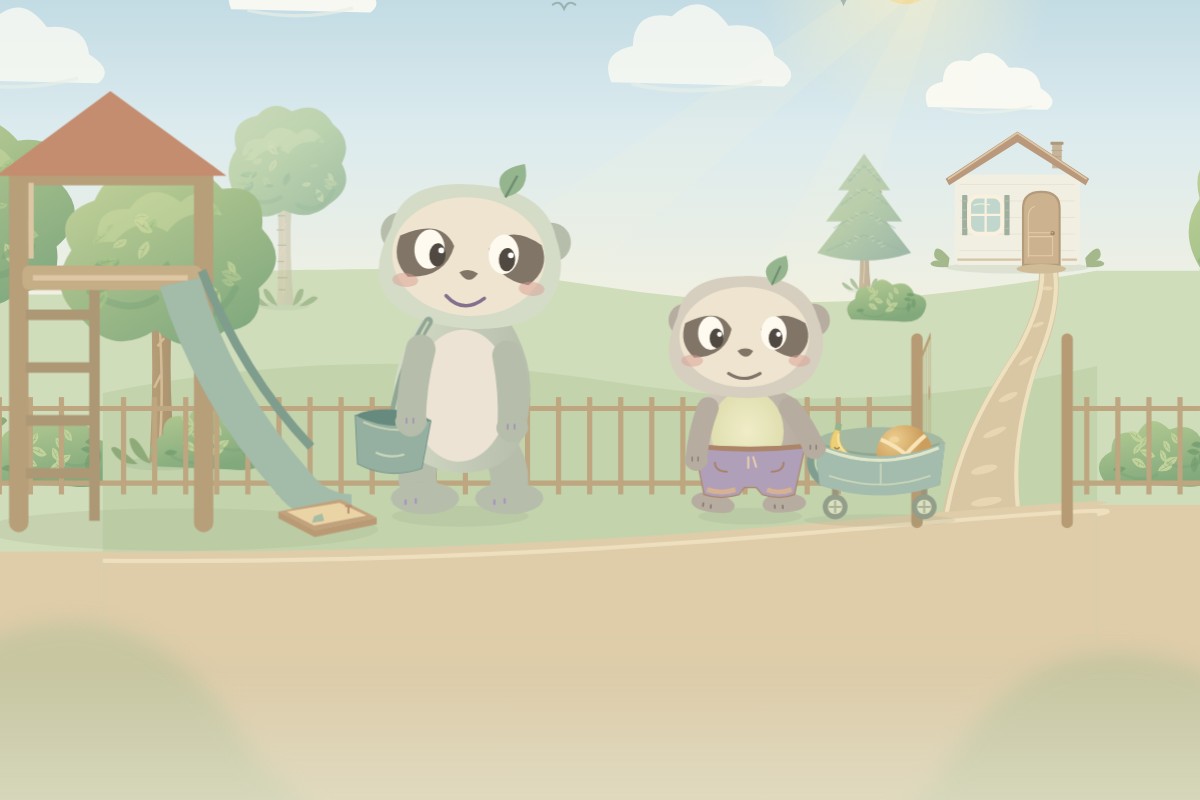
Picture the playground lights coming on while you try to zip your coat with one hand. Your child calls down from the top of the slide. “This is my last one!” They slide down, nudge a pebble with the toe of their shoe and turn back towards the ladder. “I meant the next one's the last one.”
You're already halfway through making dinner in your head. As far as your child is concerned, the pebble has just moved into the house under the slide and needs a neighbour. By the time you've zipped the bag, there's a small housing estate at your feet. You'd quite like to be home before they apply for planning permission for a second slide.
Two things are happening at once. You have somewhere to be, and your child has to stop doing something they're thoroughly caught up in. A warning and a small job you can do together can make that change easier. I've put the guidance behind these ideas at the end if you want to read further.
Give the last turn a shape
Go over while there's still time for one more turn. “I see you've climbed up again. Slide down once more, then we'll go out through the gate together.” A slide and a gate are easier for a little child to picture than an approaching “soon”. An older child who understands a timer might like to use it to mark the agreed last turn. It helps if you talk through what happens when it rings while everyone is still having a good time. When you get to the pavement you can talk about who will live in the new house tomorrow. If your child keeps asking to go back, you can tell them again when the next visit might be, if you know. A promise about the next outing is only worth making when you can keep it.
Come back at the stopping point. Stand by the bottom of the slide and give the next step in one sentence when they land. Staying close makes it easier to help with a sleeve or offer a hand. The residents of the pebble estate have heard the agenda.
Give them a real job on the way out
“Shall we go?” is a good question when you're genuinely free to stay. When it's time to leave, the choice can be about how you get to the gate. “Would you like to carry the spade or put it in the bag?” In the story, Mom offers a little wagon. The ball and the soft toy need a driver to get them home. Your child can start that sort of job while still wishing they could stay.
A two-year-old might just need you to hold the bag open so you can put the spade in together. A preschooler might decide which bit of the playground needs a goodbye wave today. If that works for your family, a wave at the gate can become a small, familiar end to the outing.
You can leave with the tears
“You still want to stay. You had a good time here. We're going home now and I'll help you.” Give them a moment while you get their coat on. Stay close if they're upset, and take care of safety near the road. On a tired afternoon it may be enough for you to carry the bag and walk together as far as the next lamp post.
If leaving regularly derails the whole afternoon, change one small thing and watch what happens. You might start getting ready a little earlier, or use the same brief goodbye a few times. Notice how it goes when you both have something left in the tank. You can always drop the extra steps on days when you need to get out quickly.
What to take with you
Sources, if you'd like to read more
These studies and professional resources informed this article.
- Head Start – Supporting Transitions Both Big and Small
- Head Start – Support Transitions for Infants and Toddlers
- Head Start – Challenging Behavior Tips for Families
The linked sources are in English.
Know someone who could use this?
Pass it on to a fellow parent. A little support can make a difference.